
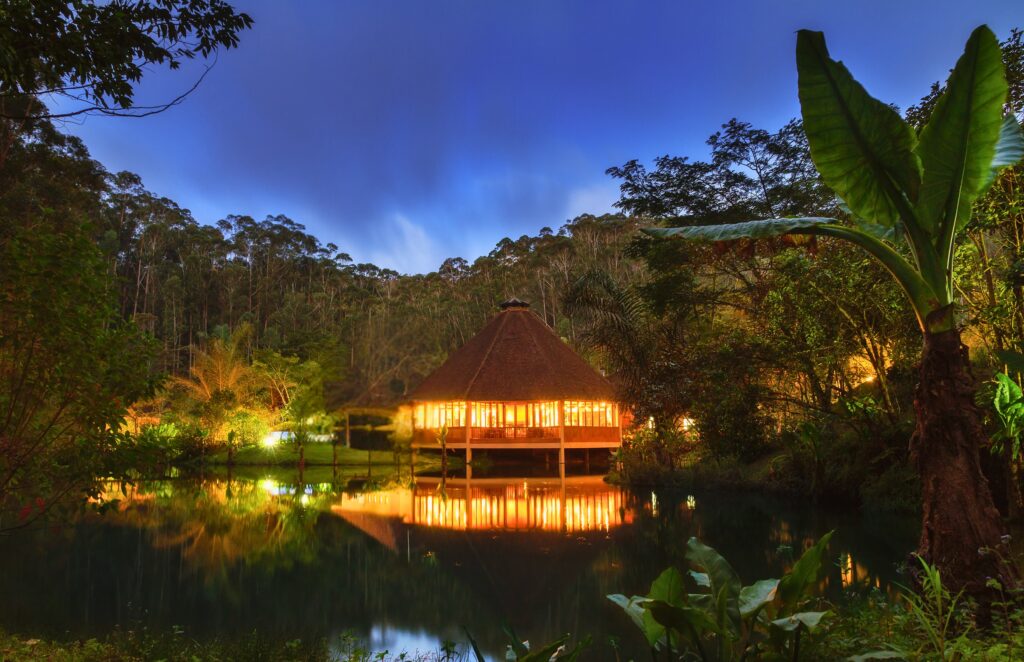
How can you plan the ultimate adventure in jungle huts?
Booking a stay in jungle huts is the fastest way to immerse yourself in nature’s raw beauty while supporting sustainable tourism. If you are looking for the ultimate travel guide to navigating remote rainforests without sacrificing comfort, you have come to the right place.
Choosing these unique stays allows you to trade sterile hotel hallways for the vibrant, living pulse of the earth.
Imagine waking up to the rhythmic calls of howler monkeys, sipping locally grown coffee as toucans glide past your balcony, and falling asleep to the hypnotic hum of the Amazon. From high-end eco-lodges to rustic, off-grid cabins, these stays offer a profound connection to the earth that stays with you long after the mud has washed off your boots.
In this guide, we break down everything from top global destinations to the “must-pack” essentials that separate a dream trip from a damp disaster.
What Are Jungle Huts?
Planning a trip to a remote tropical environment requires more than just a plane ticket and a sense of wonder. Because these locations are often geographically isolated, your preparation dictates whether you feel like an intrepid explorer or a lost tourist. Whether you are a solo backpacker or a family seeking an eco-luxury retreat, understanding the “Wilderness Variable” is key to a seamless experience.
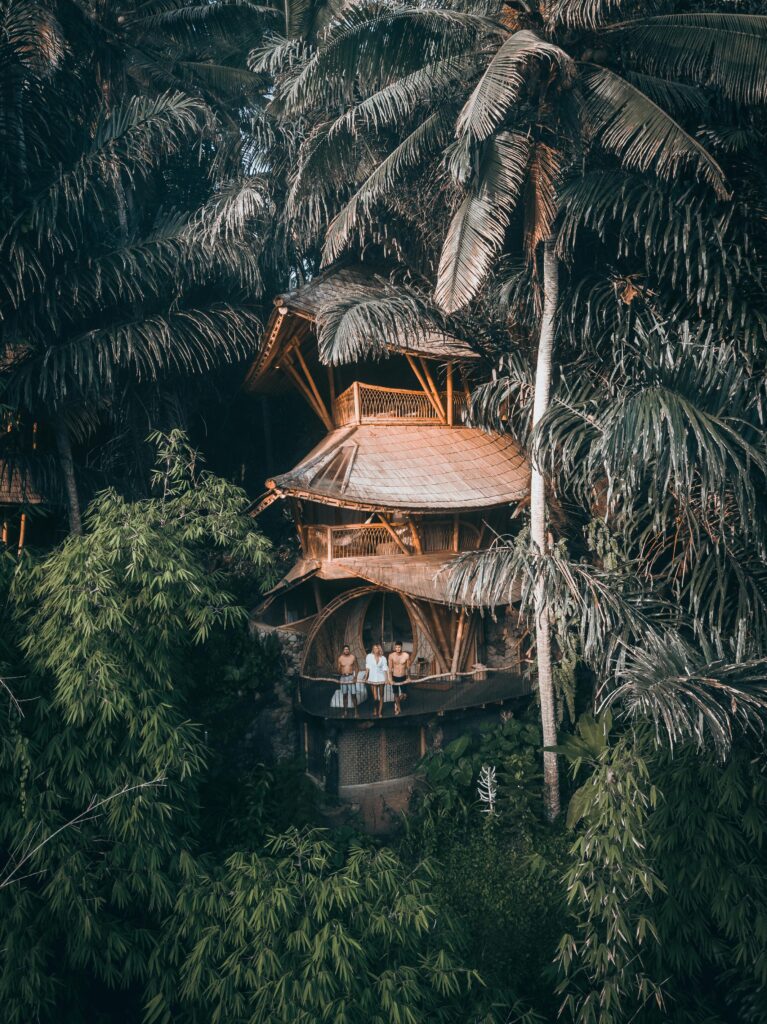
Photo by Sean Kernerman on Pexels
Jungle huts are specialized accommodations designed to minimize the physical barrier between the guest and the environment. These structures often utilize “biophilic design,” integrating natural light and local materials to promote mental well-being.
- Eco-Luxury Huts: Often feature private plunge pools, organic gourmet dining, and high-end linens for those who want the wild without the “roughing it” part.
- Treehouse Lodges: Elevated structures that provide a “canopy view,” perfect for birdwatchers and photography enthusiasts.
- Rustic Backcountry Cabins: Basic shelters focusing on deep immersion, often using shared facilities and communal campfires to foster a sense of community.
Because most of these structures use open-air architectural designs, sustainable timber, and thatched roofing, they allow the forest’s sights and sounds to flood in.
Consequently, you’ll find that the air is fresher and the sleep is deeper—provided you have a high-quality mosquito net!
But what about the best global locations to find them?
Unforgettable Jungle Hut Destinations Worldwide
To get the most out of your stay, you must align your destination with the local “Dry Season” to avoid being washed out. Here are the heavy hitters for, including some emerging hotspots for adventurous travelers:
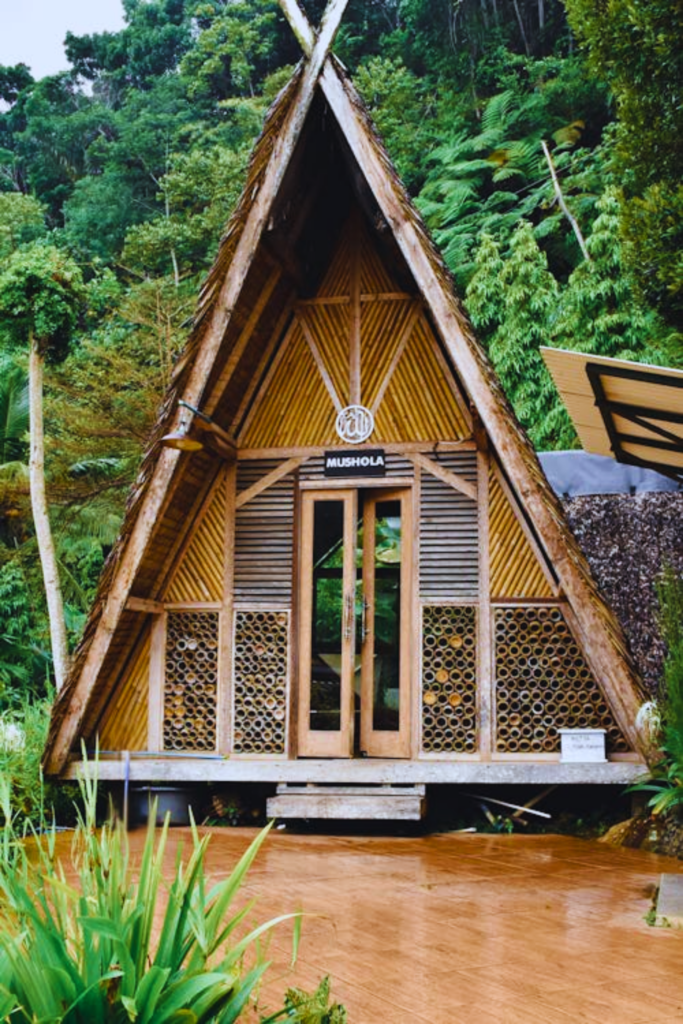
Photo by TIORHISTA R on Pexels
1. Costa Rica: The Eco-Tourism Gold Standard
Costa Rica remains the world leader in sustainable travel, offering everything from misty cloud forests to coastal jungles. For the best experience, head to the Osa Peninsula, where the jungle literally meets the sea.
- Best Time to Visit: December to April (Dry Season).
- Pro Tip: Use the “Rainy Day Reserve” strategy—book your guided tours for the morning, as tropical downpours almost always occur in the late afternoon.
2. Thailand: Mist, Mountains, and Floating Villas
In Northern Thailand, specifically around Chiang Mai and Khao Sok, you can find huts floating on turquoise lakes or perched in misty valleys. These stays often blend traditional Thai hospitality with breathtaking limestone cliff views.
- Best Time to Visit: November to February.
- Top Pick: Look for “Sustainable Bamboo Villas” to ensure your stay supports local hill-tribe communities and uses renewable building materials.
3. The Amazon Basin (Peru, Brazil, & Ecuador)
This is the “Deep Wild,” where the sheer scale of the river system and the density of the forest are humbling. Staying here often involves a boat transfer of 2+ hours from the nearest airport (like Iquitos or Manaus), placing you in the heart of biodiversity.
- Wildlife Highlight: Keep your eyes peeled for pink river dolphins and the elusive jaguar near the riverbanks.
- The Reality Check: Expect 90% humidity. Pack moisture-wicking synthetic fabrics rather than cotton, which never dries in the jungle.
4. Belize: The Mayan Heartland
Belize offers a unique mix of dense broadleaf jungles and ancient Mayan ruins that peek through the canopy. Many huts here are situated within private nature reserves, providing exclusive access to cave systems and subterranean rivers.
- Must-Do: Visit the ATM Cave (Actun Tunichil Muknal) for a mix of adventure and archaeology.
- Vibe: Perfect for travelers who want to combine jungle trekking with a bit of Caribbean soul.
5. Panama: The Last Frontier
Panama’s Darien Gap and Bocas del Toro regions offer some of the most remote and authentic jungle experiences in Central America. Here, you can stay in overwater huts or deep-forest lodges that are often off the grid and powered entirely by the sun.
- Connectivity: This is the place for a true “Digital Detox.”
- Unique Feature: Many lodges partner directly with the Guna or Emberá indigenous groups, offering deep cultural immersion.
Wondering what the daily vibe is like inside the hut?
What It’s Like to Stay in a Jungle Hut
Living in the jungle is a sensory explosion that challenges and rewards you in equal measure. However, it is important to manage your expectations regarding “modern” amenities to avoid frustration.
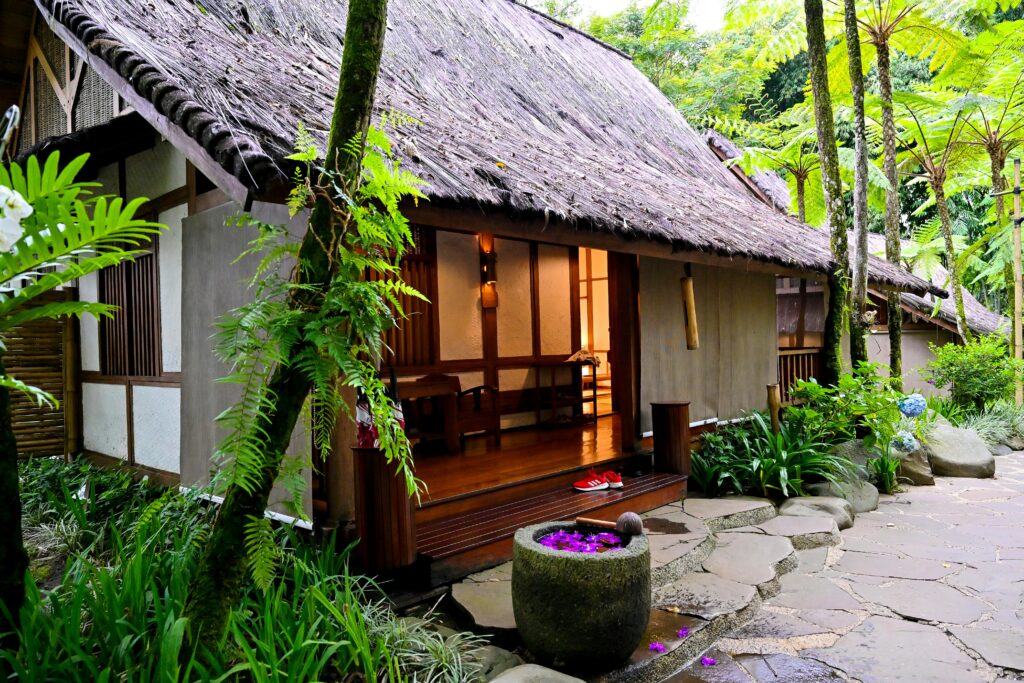
Photo by kevin yung on Pexels
- The Power Situation: Many huts operate on solar arrays. This means high-wattage items like hair dryers are usually a “no-go.” Charge your power banks during peak sunlight hours when the cells are most active.
- The “Roommates”: You are a guest in the animals’ home. Expect friendly geckos on the walls (they are your best friends—they eat the bugs!) and the occasional curious monkey near the eaves.
- Sanitation: Luxury huts feature stunning outdoor rainfall showers. For budget spots, you may be using “gravity-fed” water systems that offer a refreshing, albeit brisk, start to your day.
The “Two-Block Rule” for Safety: Always keep your bags zipped and stored at least two blocks (or a suitcase stand) off the ground to prevent adventurous insects or small reptiles from hitching a ride in your laundry.
Ready to pick your specific spot?
Finding Your Dream Jungle Hut
Choosing the perfect jungle hut feels like picking the ideal adventure partner—it’s all about the right fit for your personality.
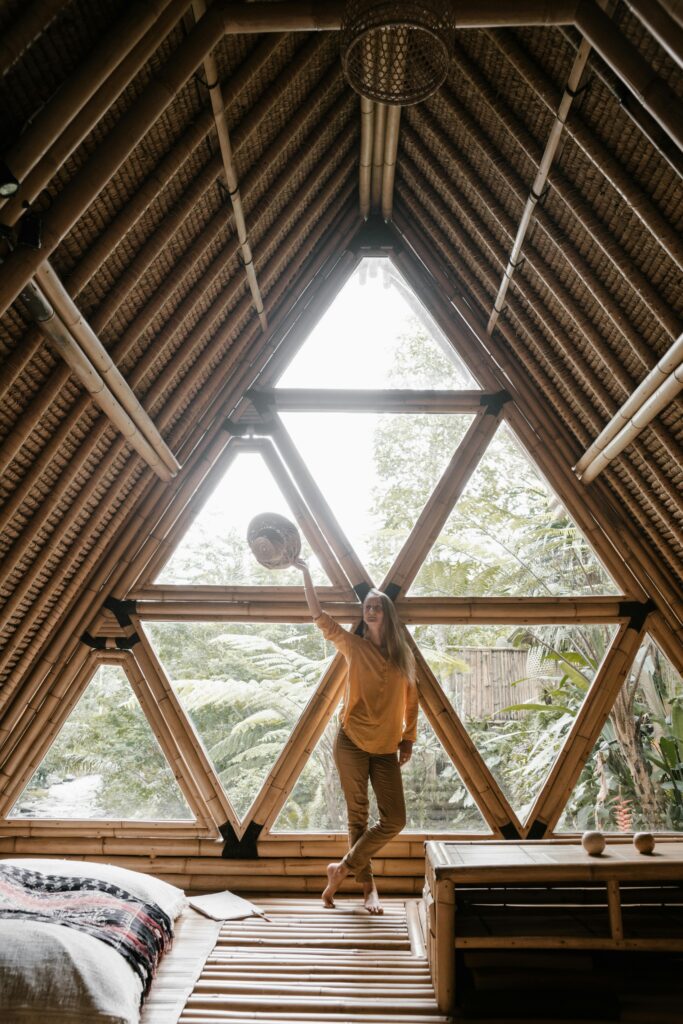
Photo by ArtHouse Studio on Pexels
Don’t just click “book” on the prettiest Instagram photo; instead, use this checklist to ensure the hut matches your physical and financial comfort levels:
| Feature | Luxury Eco-Lodge | Budget Jungle Hut |
| Power | 24/7 Solar/Generator | Limited evening hours |
| Connectivity | Starlink/High-speed Wi-Fi | “Digital Detox” (None) |
| Transport | Private Shuttle/Boat | Local Bus + 4×4 Trek |
| Cost (Avg) | $250 – $600 USD/night | $30 – $80 USD/night |
Actionable Advice: Download the Maps.me app before you go. It uses offline GPS data, which is far more reliable than Google Maps when you are deep under a rainforest canopy with zero bars of service.
When you are ready to book, look for properties that carry the Rainforest Alliance Certified seal. This verification ensures the lodge meets rigorous environmental and social standards, protecting you from ‘greenwashing’ and ensuring your money supports genuine conservation.
Now, let’s talk about the fun stuff!
Thrilling Activities to Enrich Your Jungle Hut Experience
A jungle hut stay isn’t just about where you sleep—it’s about diving headfirst into the wild’s wonders. Embark on guided night walks to discover glowing fungi and elusive nocturnal creatures that come alive after dark, turning the forest into a magical playground.
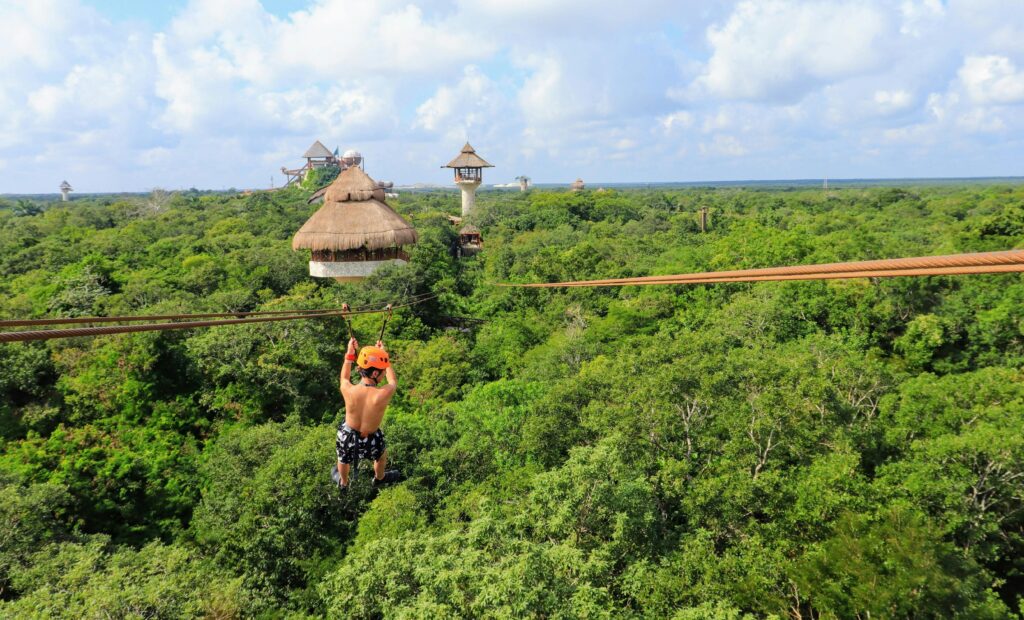
Photo by Juan Carlos 🇲🇽 Pérez Terán on Pexels
A stay in a jungle hut is your “base camp” for adventure, not just a place to lay your head. To truly experience the ecosystem, engage in these high-value activities that bring the forest to life:
- Guided Night Walks: The jungle changes entirely at sunset. With a professional guide, you can spot bioluminescent fungi, glass frogs, and nocturnal predators that are invisible during the day. Never go alone at night.
- Canopy Ziplining: Seeing the forest from $30$ meters up provides a perspective you simply can’t get from the ground, allowing you to see the “garden in the sky.”
- Ethical Wildlife Tracking: Use apps like iNaturalist to log your sightings and contribute to global biodiversity data while learning about the flora around you.
Packing Hack: Bring a Red-Light Headlamp. Red light doesn’t attract swarms of insects to your face like white light does, and it preserves your natural night vision for better wildlife spotting.
But how do we protect these places?
How Jungle Huts Champion the Wild
True jungle huts operate on a “Leave No Trace” philosophy, ensuring that your presence doesn’t compromise the future of the forest.
Many of these lodges align their operations with the GSTC Criteria, the global gold standard for sustainable travel management.
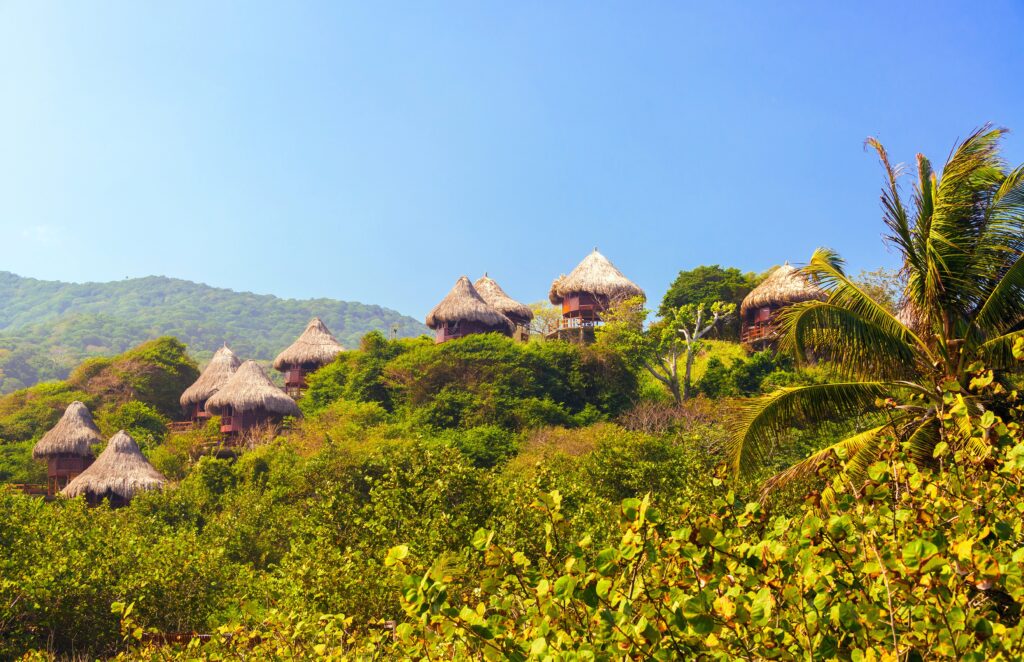
By staying at a vetted eco-property, you are directly funding the protection of that land from logging or poaching.
- Greywater Systems: Most reputable huts filter shower water through volcanic rock or sand before it returns to the earth.
- Community Impact: Choose lodges that employ at least 80% local staff. This ensures that tourism dollars stay within the indigenous community and provides an alternative to destructive industries.
Curious about how to turn this eco-friendly dream into reality?
Your Role: Avoid all single-use plastics. Bring a filtered water bottle (like Grayl or LifeStraw) so you can safely drink tap or river water without needing plastic bottles.
Ready to start the journey?
Plan Your Jungle Hut Getaway Now
Jungle huts offer an escape that a standard resort simply cannot match. Whether you are seeking the misty silence of a cloud forest or the vibrant chaos of the Amazon, it is time to trade the screen glare for a canopy stare and reconnect with the wild.
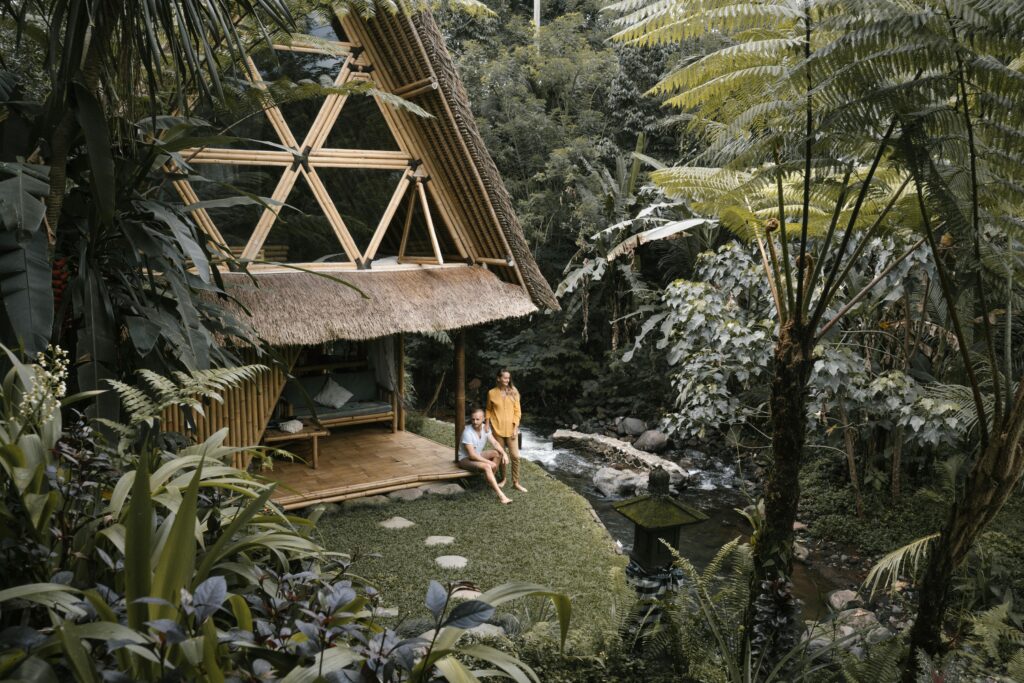
Photo by ArtHouse Studio on Pexels
We want to hear from you!
Which jungle destination is at the top of your bucket list? Have you stayed in a hut before? Share your stories and tips in the comments below, and don’t forget to share this post with your favorite adventure partner!
Happy travels! 😍
Disclaimer: While we strive for accuracy, travel details change. Please verify all information independently before booking. This post is for informational purposes only.

Dive Resorts: Underwater Experiences & Why You’ll Love Them
Farm Stays: Unearth Authentic Joy on Your Next Vacation
Floating Cabins: How to Experience a Unique Water Stay
Safari Tents: How to Plan a Wildly Luxe Adventure
Ski Resorts: How to Plan for an Epic Winter Trip





Leave a Reply