

How can this budget travel transportation guide help you explore places without sacrificing the experience?
Transportation is often the “silent budget killer” of any great adventure. Learning the secrets of budget travel transportation is the most effective way to protect your wallet while exploring the world like a local. You might spend months hunting for flight deals and the perfect Airbnb, only to land and watch your savings vanish into a string of $40 taxi rides.
However, mastering the way you move isn’t just about pinching pennies; it is about shifting your perspective.
When you ditch the private shuttle for a local “chicken bus” or a city rental bike, you stop being a spectator and start living the local rhythm.
In this guide, we will build on the core strategies found in our Ultimate Travel Guide to help you navigate the globe without breaking the bank.
Public Transit Tips for Travelers
Hack the city!
The biggest mistake travelers make is defaulting to a taxi out of “convenience” or fear. While a private car feels easier, the local transit system is almost always the smarter financial move.

Photo by Andrea Piacquadio on Pexels
Master the City Pass
Most major metropolises offer transit cards that provide significant discounts over single-journey tickets.
- London: Use an Oyster Card or contactless payment to benefit from daily “capping.” This ensures you never pay more than a set daily limit, no matter how many tubes you take.
- Tokyo: A Suica or Pasmo card works at vending machines and convenience stores, making your transit and snacking seamless.
- Lisbon & Porto: Grab a Viva Viagem card to make iconic trams and funiculars significantly cheaper than paying the driver in cash.
The “Two-Block Rule”
To avoid the “tourist tax,” never hail a cab or look for a bus stop directly in front of a major landmark. Walk at least two blocks away. Consequently, you’ll find lower rates, fewer crowds, and more authentic local connections.
The Airport-to-City Connection
The “Airport Express” train is often a marketing trap. In London, the Heathrow Express is fast but pricey, whereas the Elizabeth Line or the Piccadilly Line takes only slightly longer for a fraction of the cost.
Always check for the local commuter rail before booking a “tourist” shuttle.
Walking and Biking
Embrace the slow travel movement!
To capture the true essence of your destination, you must embrace the art of slowing down.
High-speed trains and closed-window taxis often blur the very alleyways, local bakeries, and quiet squares that define a city’s character. When you rush from point A to point B, you miss the subtle details that transform a simple trip into a lifelong memory.

Photo by Jonathan Borba on Unsplash
The Power of the Free Walk
Walking is the only transportation method with a $0 price tag. Beyond the savings, walking allows for “serendipitous discovery.” You cannot stop a moving bus because you smelled a fresh bakery, but on foot, the city belongs to you.
- Strategy: Group your sightseeing by neighborhood. Spend one day entirely in “District A” so your only transport cost is the commute there and back.
Two Wheels are Better Than Four
Biking has exploded globally thanks to bike-sharing programs
- Amsterdam & Copenhagen: Here, biking is the primary way of life. It’s faster than a car and cheaper than a bus.
- Southeast Asia: Renting a scooter for $5–$10 a day gives you total freedom to explore rural areas where public transit doesn’t reach. However, only do this if you are licensed and experienced.
Best Transit Apps
The Digital Navigator’s Toolkit
Gone are the days of squinting at a paper map and hoping for the best. The modern traveler no longer needs to rely on luck or the kindness of strangers to find the right platform.
Instead, real-time data and GPS precision have turned complex foreign transit networks into manageable, step-by-step instructions right in the palm of your hand.

Photo by Getty Images Signature on Canva
To find cheap ways to get around, you need these three heavy hitters:
- Citymapper: Generally superior to Google Maps for urban transit. It tells you exactly which train carriage to get on to be closest to your exit and provides “rain-safe” walking routes.
- Rome2Rio: The ultimate “macro” planning tool. Type in any two points on earth, and it will show you every plane, train, bus, and ferry option with estimated costs.
- Maps.me: Download offline maps while on hotel Wi-Fi. This allows you to navigate via GPS without using expensive roaming data.
Ridesharing vs. Taxis Abroad
Know the local hero!
While Uber has a massive global footprint, assuming it is the default choice can be a costly mistake for your travel budget.
In many regions, local competitors offer deeper driver pools, more transparent pricing, and specialized vehicle options—like motorbike taxis—that global giants simply don’t provide.
By downloading the “local hero” app before you land, you ensure you have the most reliable and cost-effective tool for that specific corner of the world.

Photo by Andrea Piacquadio on Pexels
In Southeast Asia, the primary hero is Grab, which operates across most of the region and offers the incredibly cheap “GrabBike” to weave through traffic. However, if your travels take you to Indonesia, you should also download Gojek, which is the local favorite for both cars and motorbikes.
For those traversing Europe or Africa, Bolt is often the smarter choice, frequently undercutting Uber’s pricing in major hubs like London, Lisbon, and Nairobi.
Meanwhile, across the Middle East, Careem remains the go-to app; it is deeply localized and even allows you to book official city taxis in certain countries to ensure you get a fair, metered rate every time.
The Safety Bonus: Using these apps eliminates the “tourist tax.” Because the price is calculated and set within the app interface, you never have to worry about a driver refusing to turn on the meter or haggling over the fare at the end of your journey.
Buses vs. Low-Cost Carriers
Let’s talk about regional travel!
When moving between cities or crossing international borders, your transportation choice becomes your biggest single expense.
Deciding between the speed of a flight and the affordability of a bus requires a careful look at the total cost of travel, which includes more than just the ticket price.
To master budget travel transportation, you must learn to calculate the value of your time against the hidden fees that often come with the cheapest-looking options.
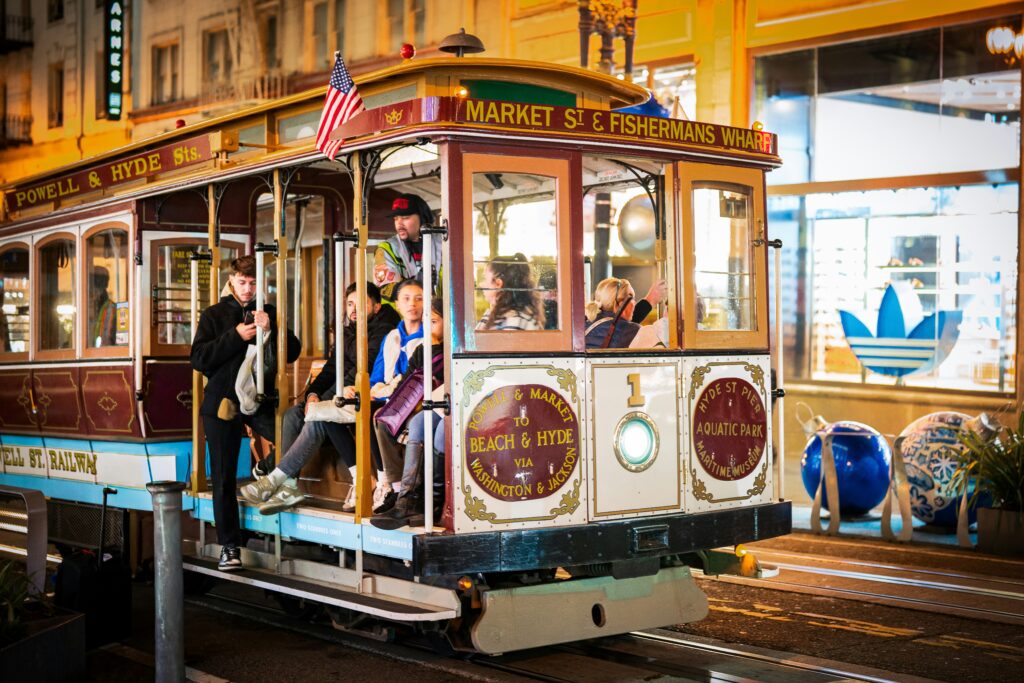
Photo by Peter Zhan on Unsplash
The Rise of the Luxury Bus
In North America and Europe, companies like FlixBus and BlaBlaCar Bus have revolutionized budget travel. For the price of a sandwich, you can often travel between cities like Paris and Brussels.
These buses usually feature Wi-Fi and power outlets, making them a “mobile office” for digital nomads who want to stay productive while on the move.
The Low-Cost Carrier (LCC) Trap
A $20 flight on Ryanair or AirAsia looks like a steal, but watch out for hidden costs:
- Baggage Fees: These often cost more than the seat itself if you aren’t traveling light.
- Airport Location: LCCs frequently fly into secondary airports (like Paris-Beauvais or London-Stansted) which are located far from the city center.
- Consequently, the cost of the shuttle or train from the airport to your hotel can completely negate the savings on your flight ticket.
Night Transit and Relocation
The “Double-Threat” Strategy
One of the best budget travel transportation tips is looking for opportunities where your transit ticket pulls double duty.
The most successful budget travelers treat their movement as a strategic asset rather than just a chore, finding ways to merge their transit and accommodation costs into one single expense.
By thinking outside the standard morning departure window, you can reclaim your daytime hours for exploring and keep your wallet closed for an entire night.
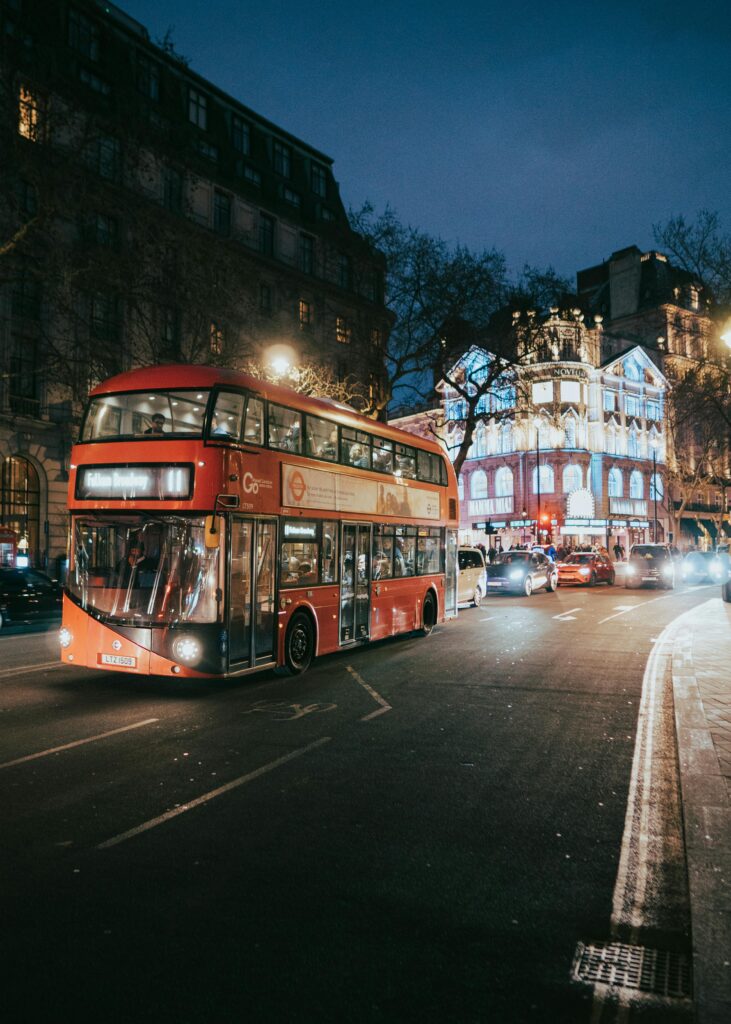
Photo by Artūras Kokorevas on Pexels
- Night Trains and Buses: Taking an overnight train from Prague to Krakow saves you the cost of one night in a hostel or hotel. You wake up in your new destination refreshed and ready to explore without having “wasted” a day in transit.
- Relocation Rentals: In countries like Australia, New Zealand, and the USA, rental companies often need to move campervans back to their original hub.
- You can often rent these for $1 a day if you agree to drive them to the destination within a set timeframe, effectively giving you a home on wheels for the price of a coffee.
Final Takeaway on Budget Travel Transportation Tips
Budget travel transportation is about more than just “being cheap.”
It is about being remarkably resourceful. Every dollar you save by opting for the metro instead of a taxi is a dollar you can reinvest into a local cooking class, a museum entrance, or an extra week on the road.

Photo by Luis Quintero on Pexels
By leveraging the right apps, embracing the slow travel movement, and navigating local transit like a resident, you don’t just save money—you gain a much deeper understanding of the world.
Now that you have the tools to move like a local, you are ready to take on your next destination with total confidence.
But wait, there’s more to saving than just the ride.
Now that you’ve mastered the streets, let’s look at how to secure a bed without breaking the bank in our next guide on finding affordable accommodation on a budget.
Happy travels! 😍
Disclaimer: While we strive for accuracy, travel details change. Please verify all information independently before booking. This post is for informational purposes only.

Best Free Travel Attractions: See The World For Less

How Do Free Walking Tours Work?

How to Find Free Local Events and Festivals While Traveling

How to Visit Free Museums and Art Galleries

How to Make Most of the Best Urban Parks for Picnicking

A Quick Guide When Visiting Libraries While Traveling
How to Find Hidden Gems: 12 Best Free Travel Apps

Are Free Attractions Better? Budget Travel Benefits

6 Budget Travel Food Tips: How to Find Cheap Eats

How to Save Money on Public Transport for Travelers

5 Best Food Travel Hacks: Eating Like a Local

House-Sitting and Home Exchange: Traveling for a Free Stay

7 Cheap Travel Food Tips: Feast More, Spend Less

Airbnb vs Hostels: Which Budget Stay is Better for You







Leave a Reply