

Explore important travel etiquette and safety tips for your next international trip!
Having these international travel etiquette and safety tips is the most essential item on your pre-trip checklist—even more important than packing your passport.
While our Ultimate Travel Guide helps you nail the logistics of flights and bookings, truly immersing yourself in a new destination requires packing the right mindset.
“Vibe” is more than just a beautiful sunset; it is the complex web of laws, unspoken social rules, and safety protocols that govern daily life.
What feels like a harmless habit at home could lead to a criminal offense or a deep insult elsewhere.
In this deep dive, we are expanding on how to navigate local laws, cultural know-how, and emergency preparedness. Our goal is to keep you out of the police station and in the good graces of the locals.
How to Research Local Laws Before Travel
Most travelers worry about major crimes, but “niche” legislation often causes the most trouble.
Governments rarely grant “tourist passes” for ignorance. Consequently, performing a “micro-law” audit before you land is essential.

Photo by jens schwan on Unsplash
Environmental and Social Legislation
- The Pigeon Ban (Venice, Italy): Feeding pigeons can result in a fine of over €500 to protect historic architecture.
- The Camouflage Rule (Caribbean): In countries like Barbados and St. Lucia, wearing camouflage print is illegal for civilians. It is strictly reserved for military personnel.
- The Gum Prohibition (Singapore): Importing or selling chewing gum remains restricted. While personal use is more relaxed than in the past, spitting it on the sidewalk carries heavy fines.
High-Stakes Social Laws
In many Middle Eastern and Southeast Asian countries, public displays of affection (PDA) are not just frowned upon; they can lead to deportation.
Additionally, always check local alcohol laws. In some regions, consuming alcohol in public or even having it in your system can be a legal risk.
The Pro-Tip: Visit the U.S. State Department’s Country Information or the UK Foreign Office. These sites list specific local laws that frequently catch tourists off guard.
Respecting Local Customs Abroad
Beyond “Hello”
Cultural sensitivity separates a “tourist” from a “traveler.” A tourist expects the world to accommodate them; a traveler accommodates the world.

Photo by Jason Rojas on Unsplash
Mastering the Dress Code
Modesty acts as a form of “social currency.” When you mirror local standards, people are generally more helpful.
- The Scarf Strategy: Always carry a lightweight scarf in your daypack. It is a universal tool to cover your shoulders or head when entering religious sites like St. Peter’s Basilica or the Blue Mosque.
- The “Two-Block” Rule: If you are within two blocks of a religious or government building, ensure your knees and shoulders are covered. This small gesture shows immense respect.
Body Language and Social Graces
Cultural mistakes to avoid traveling often involve non-verbal cues. For instance:
- The Left-Hand Rule: In much of Africa, the Middle East, and South Asia, the left hand is considered “unclean.” Use your right hand for eating, shaking hands, or exchanging currency.
- The Sole Offense: In Thailand and many Arab cultures, showing the soles of your feet or pointing them at someone is a grave insult.
- The Tipping Trap: In Japan, tipping can be perceived as an insult, suggesting the employer doesn’t value the staff. Conversely, in the U.S., it is a mandatory social contract.
Digital Safety for Travelers
Building a virtual net!
No one likes to plan for a crisis, but a digital safety net prevents a bad day from becoming a ruined trip.
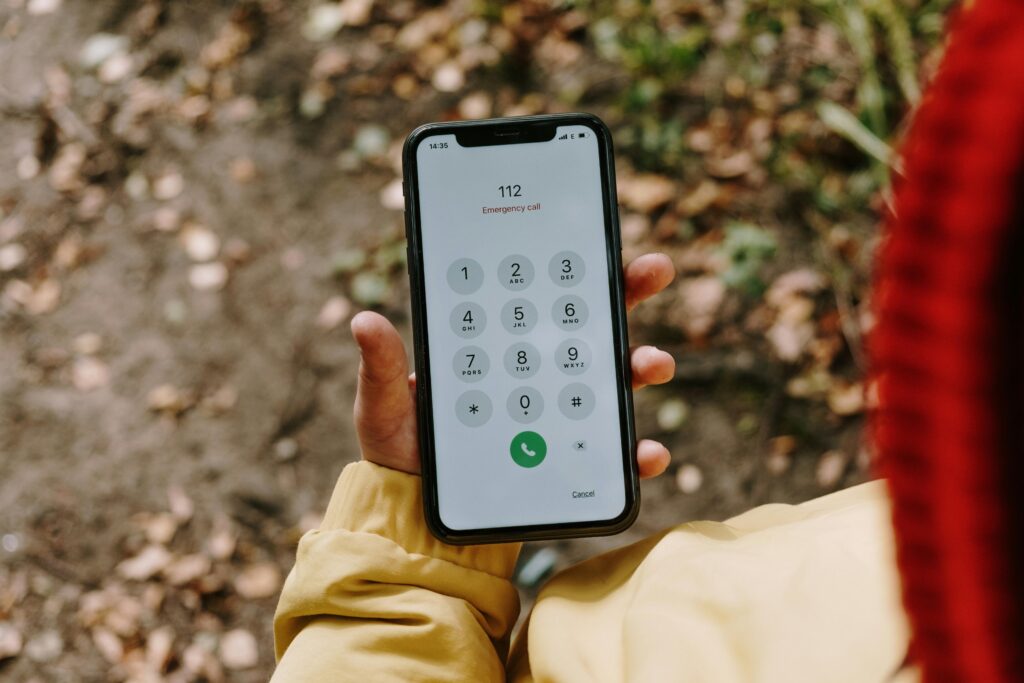
Photo by cottonbro studio on Pexels
Essential Emergency Contacts for International Travelers
Don’t rely on a live Google search when your data is roaming or your signal is weak. Create an Offline Emergency Note containing:
| Contact Type | Why You Need It |
| Local 911 Equivalent | 112 (Europe), 999 (UK/HK), or 100 (India). |
| Nearest Embassy | Your only resource for a lost or stolen passport. |
| Insurance Hotline | Your 24/7 assistance number for medical emergencies. |
| The “Business Card” | Grab a hotel card to show taxi drivers if you get lost. |
Securing Your Data
Furthermore, prioritize your digital footprint. Use a reputable VPN (like NordVPN or ExpressVPN) when using public Wi-Fi to prevent identity theft.
Also, consider using AirTags for your luggage and a Password Manager (like Bitwarden) so you aren’t locked out of your bank accounts if your phone disappears.
The Power of “Small Talk” as a Safety Tool
In our cornerstone guide, we mentioned the “Three-Phrase Rule.”
Learning Hello, Please, and Thank You does more than just help you buy a coffee. It signals that you acknowledge you are a guest.
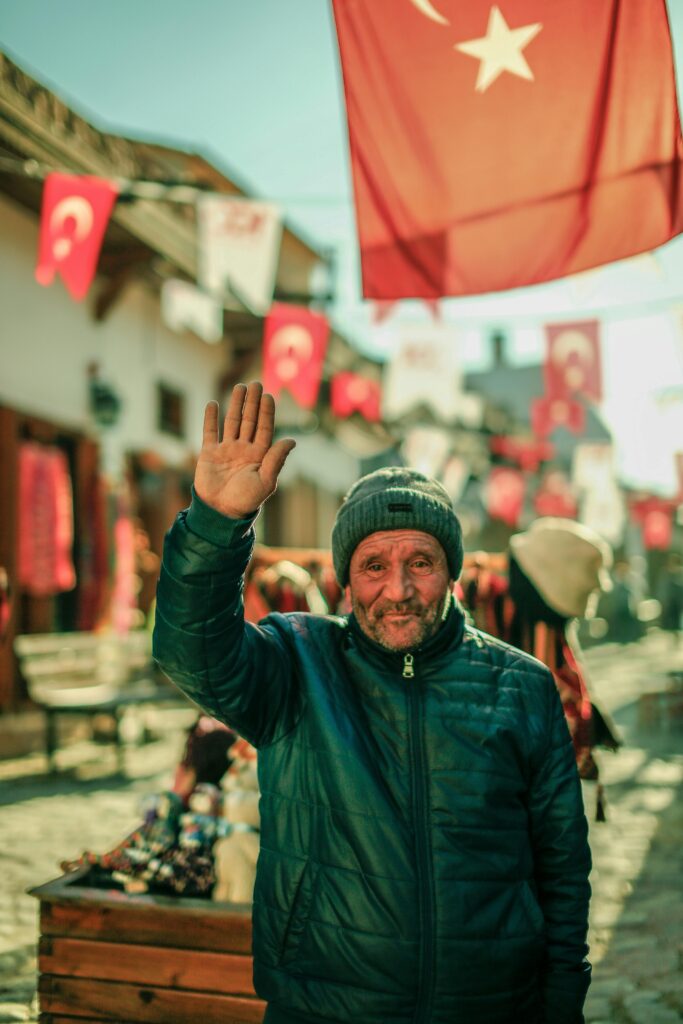
Photo by Yakup Polat on Pexels
Humility as a Shield
When you make an effort to speak the language, you are no longer a “faceless” tourist. Consequently, locals are more likely to look out for you or warn you about “tourist trap” areas.
- The Humility Hack: Instead of starting a conversation in English, learn the phrase “Do you speak English?” in the local tongue. This act of humility almost always results in a warmer reception.
Navigating Public Spaces and Photography
In the age of social media, we often forget that people actually live in the places we visit.

Photo by Nicholas Martinelli on Unsplash
- Ask Before You Snap: In many cultures, taking a photo of a person without permission is a violation of privacy.
- Government Sensitivity: Taking photos of bridges, military installations, or government buildings can get you detained on suspicion of espionage in several countries.
- Drone Restrictions: If you are a content creator, check UAV Coach for international drone laws. Flying illegally can result in immediate confiscation and massive fines.
Expand Your Cultural Know-How
The secret to seamless travel isn’t about being perfect; it’s about being observant.
By doing your homework on local laws and showing respect through etiquette, you unlock a much deeper, safer, and more rewarding travel experience.

Remember: You are an ambassador for your home country. Leave every destination better than you found it, and keep the “legal incidents” strictly for the movies.
Ready to pack your bags?
Before you zip that suitcase, make sure you have the right gear for these cultural requirements. Check out our essential international travel packing list for cultural respect to ensure you’re prepared for every temple, church, and local home.
Happy travels! 😍
Disclaimer: While we strive for accuracy, travel details change. Please verify all information independently before booking. This post is for informational purposes only.









Leave a Reply