
How to stay safe abroad with these travel health and safety tips?
Discovering the essential travel health and safety tips is just as important as booking your flights or picking the perfect Airbnb.
While we covered the foundational logistics in our Ultimate Travel Guide, your physical well-being is the one factor that can truly make or break your adventure.
Nothing turns a bucket-list vacation into a nightmare faster than a sudden medical emergency. Whether it’s a stubborn stomach bug in Bali or a twisted ankle in the Andes, being prepared is the difference between a minor hiccup and a trip-ending catastrophe.
Consequently, in this guide, we are expanding on our “Health First” philosophy to provide a concrete roadmap for staying upright, hydrated, and insured.
⚠️ MEDICAL DISCLAIMER: The medications and health protocols mentioned in this guide are for informational purposes only. Everyone’s medical history is unique, and what works for one traveler may be unsafe for another. Always consult a licensed healthcare professional or a travel health specialist before starting any new medication or receiving vaccinations.
Travel Health and Safety Tips
Why you need travel health and safety tips now?
There is an old saying in the backpacking community: “If you can’t afford travel insurance, you can’t afford to travel.”
Many travelers rely on the “it won’t happen to me” strategy, yet travel insurance isn’t just about lost luggage. Specifically, it protects you from a $50,000+ medical evacuation bill.
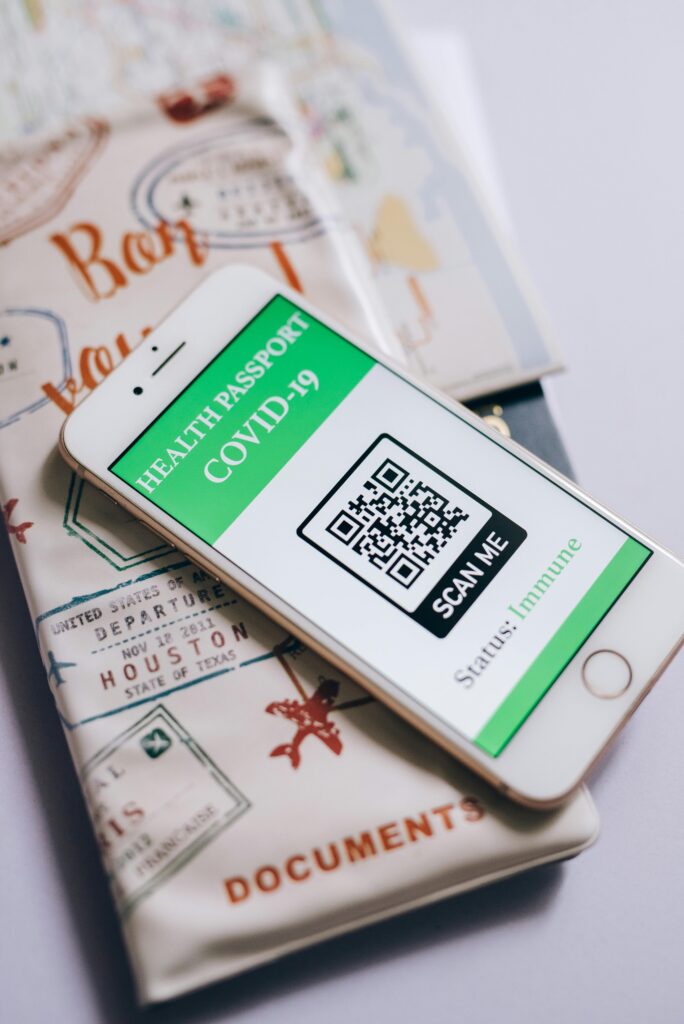
Photo by Leeloo The First on Pexels
Essential Policy Features
When looking for travel insurance coverage, ensure your policy includes these non-negotiables:
- Emergency Medical Expenses: Look for at least $100,000 in coverage for accidents or sudden illnesses.
- Medical Evacuation Coverage: This covers the cost of flying you to a high-quality hospital or back to your home country.
- Trip Cancellation: To protect your investment if a family emergency or natural disaster strikes.
- Gear Protection: Essential if you’re traveling with a laptop or expensive camera.
Best Travel Insurance for Digital Nomads and Adventurers
| Provider | Best For | Key Features |
| SafetyWing | Digital Nomads | Subscription-based, budget-friendly, and covers COVID-19. |
| World Nomads | Adventure Seekers | Covers 200+ “high-risk” activities like scuba and trekking. |
| InsureMyTrip | Seniors & Families | Great for comparing specialized medical plans. |
Travel Vaccination Checklist and Timeline
Your health strategy should actually begin 6 to 8 weeks before you leave. Furthermore, relying on a general practitioner isn’t enough; you need a specialist.

Photo by Nataliya Vaitkevich on Pexels
The Travel Health Clinic Timeline
- 8 Weeks Out: Research mandatory vaccines (like Yellow Fever) for your destination via the CDC Yellow Book.
- 6 Weeks Out: Visit a travel clinic for shots and boosters (Tetanus, MMR, Hep A/B).
- 4 Weeks Out: Pick up “just in case” prescriptions like Azithromycin (for severe diarrhea) or Malarone (for malaria zones).
- 2 Weeks Out: Assemble your “First-Aid Lite” kit.
Pack a “First-Aid Lite” Kit
You don’t need a surgical suite in your backpack, but you should have the essentials:
- Adhesive bandages and antiseptic wipes.
- Electrolyte rehydration salts (crucial for dehydration).
- Anti-diarrheal medication (Loperamide/Imodium).
- Painkillers (Ibuprofen or Paracetamol).
- Antihistamines for unexpected allergic reactions.
How to Avoid Travelers’ Diarrhea
The “Safe Plate” Strategy
Food poisoning is the most common travel ailment. In many developing nations, the local bacteria differ significantly from what your gut is used to. To keep “Delhi Belly” at bay, you must master the “Boil It, Peel It, or Forget It” rule.

Photo by Joaquin Carfagna on Pexels
The Water War
Tap water is often the enemy. However, it isn’t just about what you drink; it’s about what you touch.
- Skip the Ice: Most ice is made from tap water. Avoid it in sodas and cocktails.
- The Toothbrush Trap: Use bottled or filtered water even for brushing your teeth.
- The Filter Solution: Instead of buying plastic, invest in a Grayl Geopress. It filters 99.9% of viruses and bacteria from any tap or stream.
Eating Like a Local (Safely)
Street food is often safer than hotel buffets because it is cooked at high heat right in front of you.
Specifically, look for the Three-Block Rule: Walk two blocks away from the main tourist sites. If a stall has a long line of locals and high turnover, the food is fresh.
Defending Against Invisible Enemies
Mosquitoes and the sun cause more “traveler fatigue” than actual jet lag.

Photo by Leeloo The First on Pexels
Mosquito Defense
Mosquitoes carry Dengue, Malaria, and Zika. To stay safe, use a repellent with at least 20–30% DEET or Picaridin.
Furthermore, remember that many disease-carrying mosquitoes are most active during dusk and dawn; wear long sleeves during these times.
Beat the Heat
Traveler burnout is often just mild heatstroke.
- Hydration: Aim for 3 liters of water daily in tropical climates.
- Sunscreen: Buy it before you leave! In many regions, sunscreen is either triple the price or contains “whitening” agents.
Mental Health and the “3-3-3 Rule”
Physical health is only half the battle when you’re exploring the globe.
Many travelers fall into the trap of FOMO (Fear Of Missing Out), trying to cram every museum, viewpoint, and cafe into a single weekend.
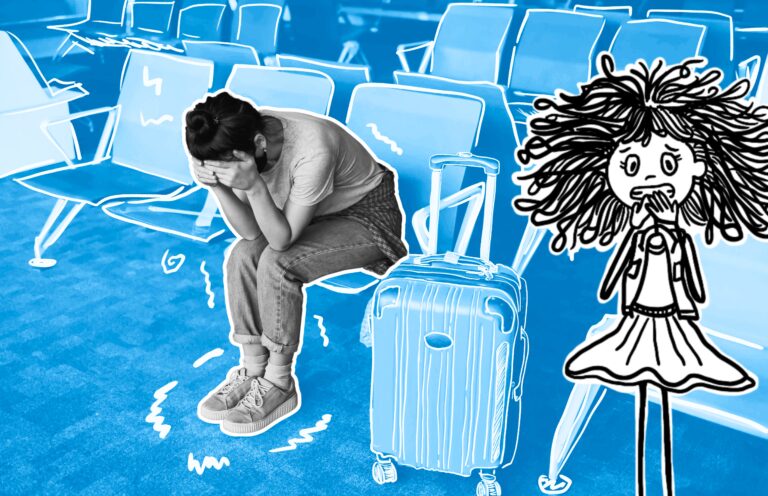
Consequently, this leads to travel burnout—a state of emotional and physical exhaustion that can ruin even the most beautiful destinations.
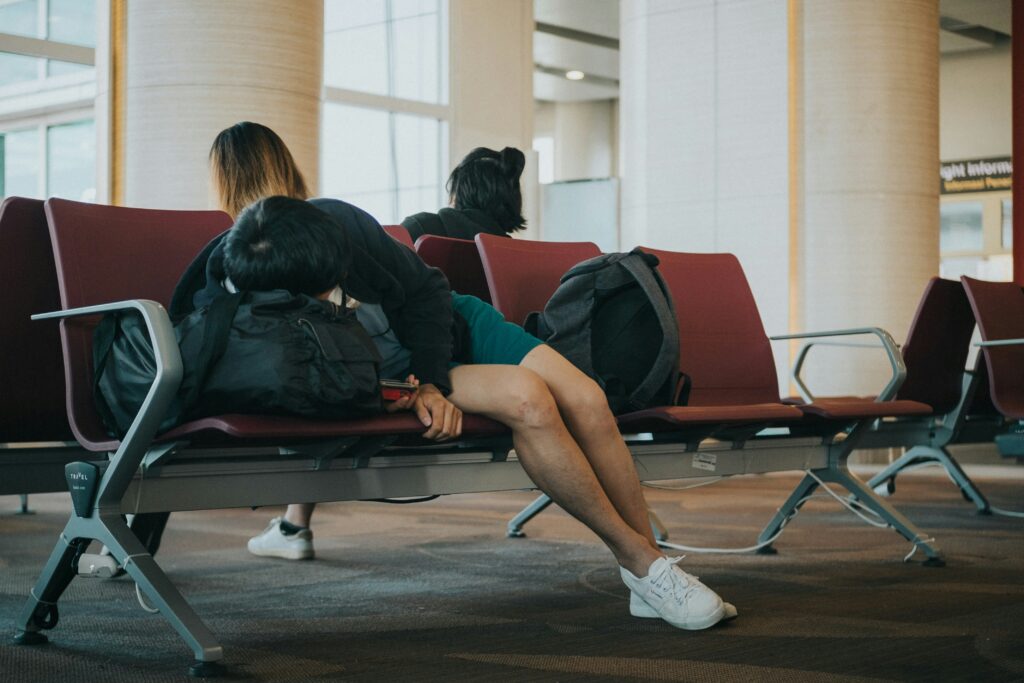
Photo by Joyce Romero on Unsplash
To combat decision fatigue and keep your spirits high, we recommend adopting the 3-3-3 Rule. This framework is a favorite among long-term travelers because it forces you to slow down and actually process your experiences.
Breaking Down the 3-3-3 Rule:
3 Nights in One Place (Minimum)
Constant moving is the fastest way to drain your battery. By staying at least three nights, you allow yourself one day to arrive/orient, one day to explore deeply, and one day to simply “be” without the stress of packing a suitcase.
3 Weeks of Travel, 1 Week of Rest
If you are a digital nomad or long-term backpacker, your brain needs a “vacation from the vacation.”
Every three weeks, book a slightly nicer stay with high-speed Wi-Fi and a kitchen. Use this time to catch up on sleep, laundry, and life admin.
3 Major Activities Per Day
Trying to see ten sights in eight hours is a recipe for a meltdown.
Instead, pick one “must-see” monument, one local food experience, and one wandering session. Specifically, leave the rest of your schedule open for the magic of the unexpected.
Listen to Your Body’s Warning Signs
Travel burnout often manifests as irritability, a loss of interest in sightseeing, or physical lethargy. If you feel a cold coming on or find yourself snapping at your travel partner, it is time to pivot.
However, do not feel guilty about “wasting” a day in your hotel room. A 12-hour sleep in a dark room can save you from a week of illness later.
Preparation is the Ultimate Travel Safety Hack
Staying healthy on the road isn’t about being paranoid; it’s about being prepared.
By securing the right insurance, visiting a clinic early, and being mindful of what you eat and drink, you ensure that your memories are of the incredible sunsets and local culture—not the inside of a hospital room.

Photo by Timur Weber on Pexels
Prioritizing your physical and mental well-being allows you to show up as the best version of yourself in every new country.
After all, you can’t explore the world if you can’t get out of bed.
Ready to start planning your next safe adventure?
If you want to find a sanctuary that feels like home without the high price tag, you need to master the art of booking. Explore our guide on how to find the best travel accommodations to ensure your “3-night stay” is actually restful.
Happy travels! 😍
Disclaimer: While we strive for accuracy, travel details change. Please verify all information independently before booking. This post is for informational purposes only.








Leave a Reply