
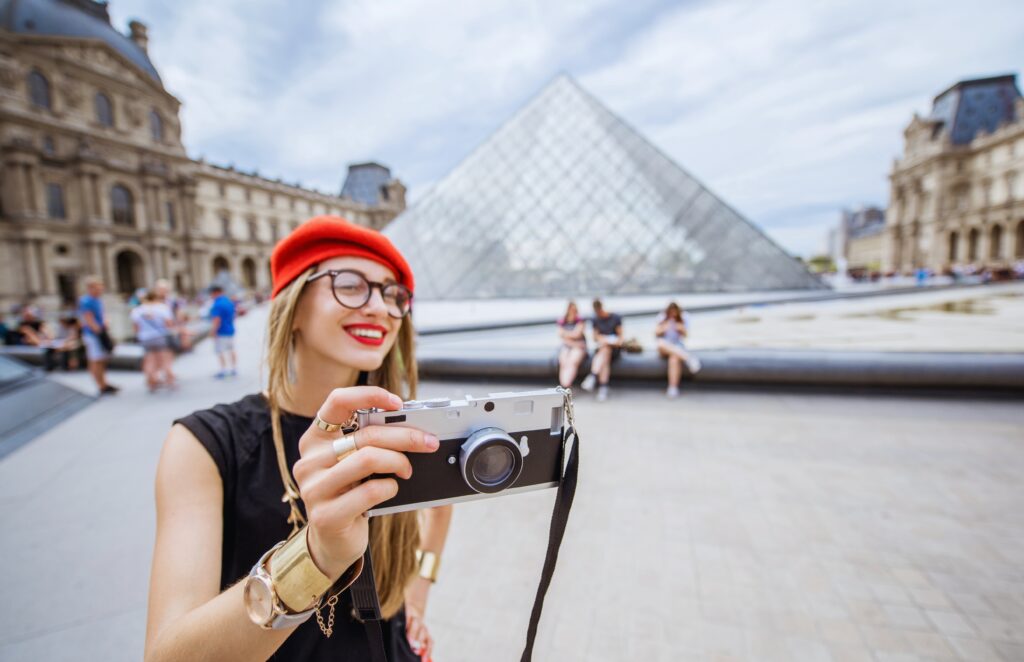
What are the real budget travel benefits of choosing free attractions?
Unlocking the hidden budget travel benefits starts with a simple realization: the most soul-stirring moments in a new city rarely come with a ticket stub. Whether you are a seasoned nomad or just starting to plan your first trip using our Ultimate Travel Guide, you have likely felt the “tourist exhaustion” of seeing everything but experiencing nothing.
Have you ever paid $50 for a landmark entry, stood in a two-hour line, and left with a lighter wallet and a heavy sense of fatigue? Many travelers equate the price of an experience with its value, assuming a $30 museum is naturally “better” than a free street art gallery. However, embracing free attractions is a strategic travel philosophy that prioritizes authenticity over pre-packaged, sanitized tours.
Maximize Budget Travel Benefits by Reallocating Funds
The most immediate advantage of seeking out free attractions is the math. Every time you opt for a free walking tour over a pricey hop-on-hop-off bus, you are banking capital for experiences that truly matter to you.
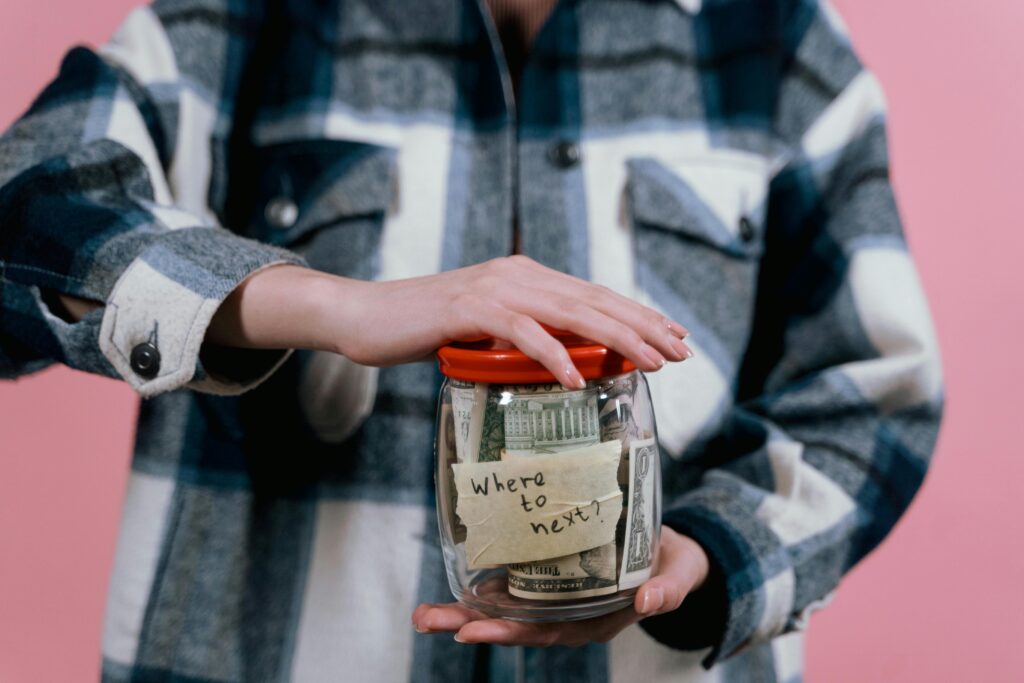
Photo by Tima Miroshnichenko on Pexels
Travel is a series of trade-offs.
By eliminating “filler” costs—those $20 entry fees for mediocre viewpoints or overpriced wax museums—you suddenly have the budget for a once-in-a-lifetime Michelin-starred dinner or a private hot air balloon ride in Cappadocia.
The Two-Block Rule
To find authentic travel experiences, walk at least two blocks away from any major paid attraction. Prices drop by 40%, and the “tourist trap” vibe disappears instantly.
Advantages of Free Attractions: A Pipeline to Local Culture
High-priced attractions are often “manufactured” to cater to what corporations think tourists want. Consequently, they are polished, climate-controlled, and often disconnected from the actual pulse of the city.
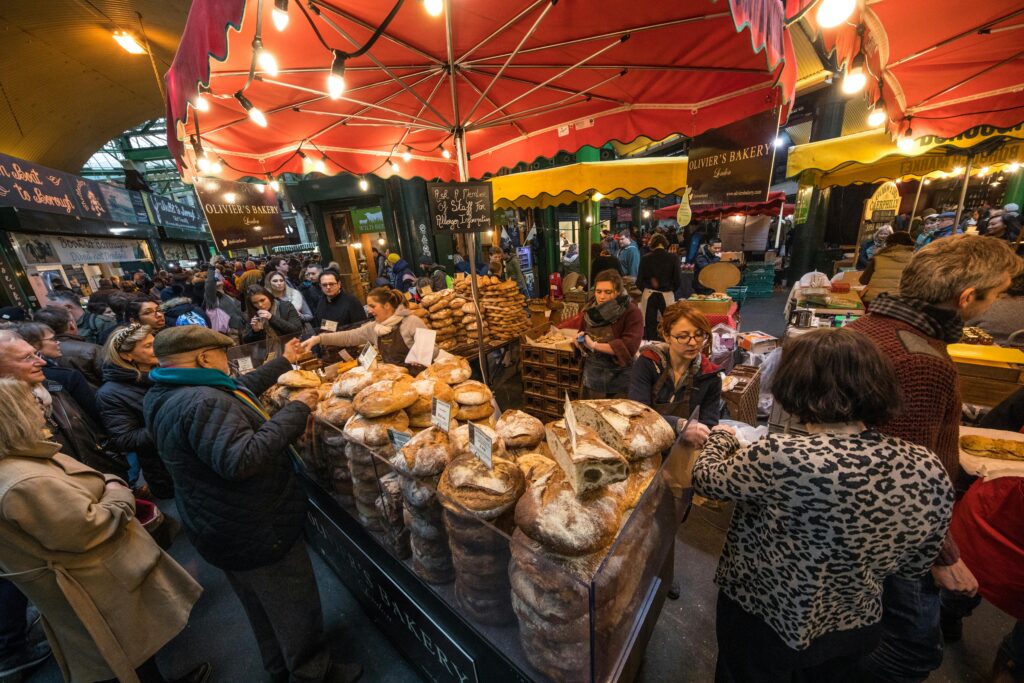
In contrast, free activities are where the “real” city lives. Consider the differences in value:
| Feature | Paid Tourist Attraction | Free Local Experience |
| Vibe | Scripted and crowded | Organic and authentic |
| Interaction | Other tourists | Local residents |
| Cost | High ($20–$100+) | $0 |
| Flexibility | Set time slots | Go whenever you want |
Specifically, look for these cultural goldmines:
- The Street Scene: In New Orleans, you don’t need a cover charge to hear world-class jazz; it spills out onto the corners of Frenchmen Street.
- The Public Markets: Walking through London’s Borough Market costs nothing, but it offers a sensory overload of local life—the smells, the shouting vendors, and the authentic rhythm of the city.
- Community Festivals: Use apps like Meetup or Eventbrite to find neighborhood block parties or public festivals that provide deep cultural immersion.
Avoiding Tourist Traps and Finding “Secret” Spots
We live in an era of “Instagrammable” travel where everyone flocks to the same three viewpoints. This leads to over-tourism and a repetitive experience.
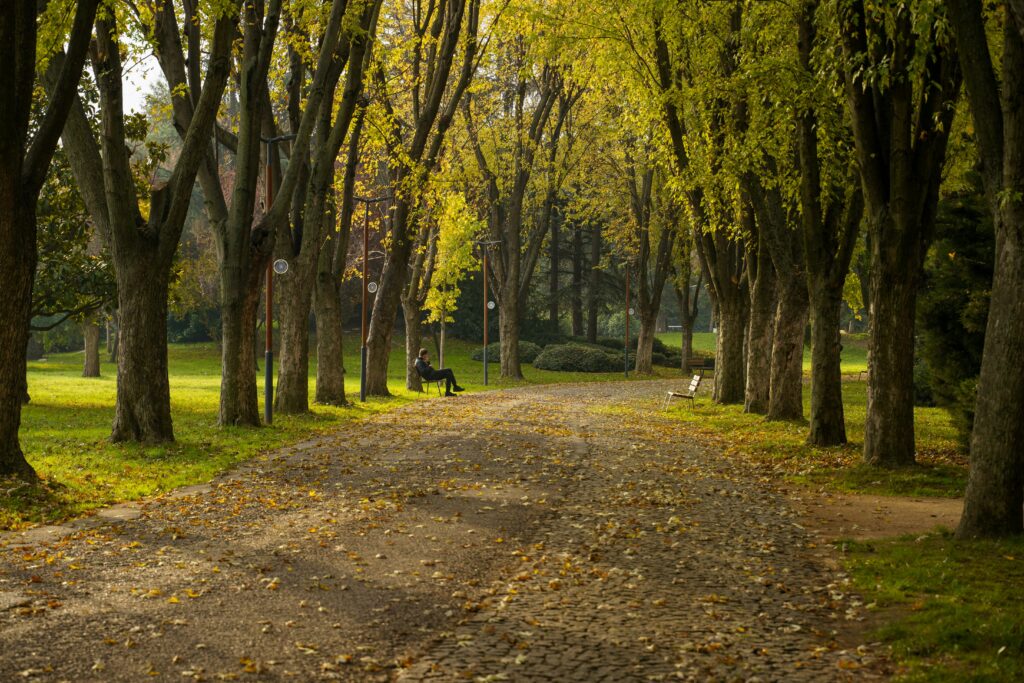
Photo by Yasin Onuş on Pexels
The best free attractions are often the ones nobody is talking about on TikTok. Because they lack a massive marketing budget, they aren’t crowded with influencers.
Wandering without a paid destination allows for serendipity. It’s in these moments of “aimless” exploration that you find a hidden park with the best skyline view—a place that feels like your own personal discovery.
Slow Travel Benefits: Wellness and Fresh Air
Many of the world’s best free activities involve movement. Whether it’s hiking trails in a National Park or walking through the distinct neighborhoods of Tokyo, you are engaging with the environment physically.

Photo by Vishnu Prasad on Unsplash
High-priced tourism often involves a lot of sitting in buses or waiting in lines.
Conversely, slow travel encourages you to get your steps in. Not only does this keep you healthy on the road, but the endorphins from a scenic hike actually improve your memory of the trip.
Pro Tip: Use the AllTrails app to find “urban hikes” in major cities—these are often free and lead to breathtaking, non-commercialized viewpoints.
Less Pressure, More Relaxation
There is a psychological weight that comes with an expensive ticket.
If you pay $100 for a landmark, you feel intense pressure to “get your money’s worth.” You stay longer than you want to and fight through crowds because you paid to be there.
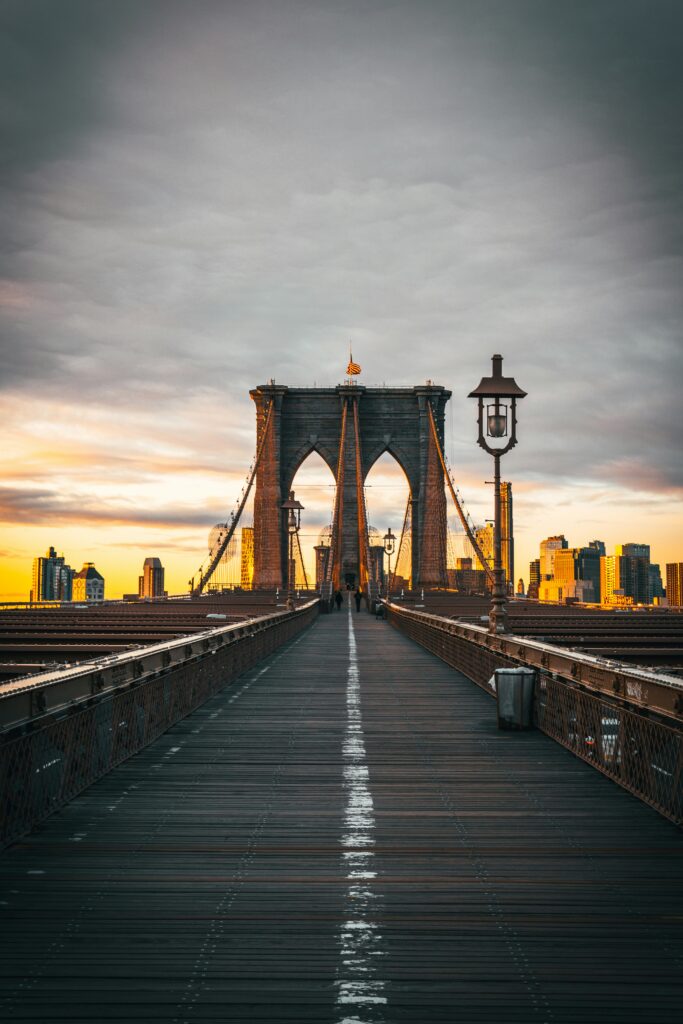
Photo by Tobias Reich on Unsplash
Free attractions offer the luxury of low stakes.
If you walk into a free museum and realize it’s not for your taste, you can leave after ten minutes without guilt. Budget travel allows you to follow your mood rather than a pre-paid itinerary.
Case Study: The “Free” Upgrade in NYC
| Scenario A (The Tourist Trap) | Scenario B (The Local Vibe) |
| You pay $45 for an observation deck and $30 for a guided bus. You’ve spent $75 before lunch, mostly spent in traffic. | You walk across the Brooklyn Bridge at sunrise, explore street art in Bushwick, and lounge in Central Park. |
Scenario B isn’t just cheaper; it’s more iconic and relaxing.
The bottom line?
Choosing free attractions isn’t about limiting your experience; it’s about expanding it.
It means more money in your pocket, more authentic connections, and memories that feel earned rather than bought.
Photo by Bogdan Krupin on Pexels
But how do you find these hidden gems without spending hours on Google?
The secret is simpler than you think.
You should start by browsing our curated list of Free Attractions and Activities to start planning your next budget-friendly adventure!
Happy travels! 😍
Disclaimer: While we strive for accuracy, travel details change. Please verify all information independently before booking. This post is for informational purposes only.

The 10 Best Romantic Travel Destination Ideas for Couples

Best Free Travel Attractions: See The World For Less

How Do Free Walking Tours Work?

How to Find Free Local Events and Festivals While Traveling
How to Visit Free Museums and Art Galleries

How to Make Most of the Best Urban Parks for Picnicking

A Quick Guide When Visiting Libraries While Traveling







Leave a Reply